
(bodylogic.net.au)
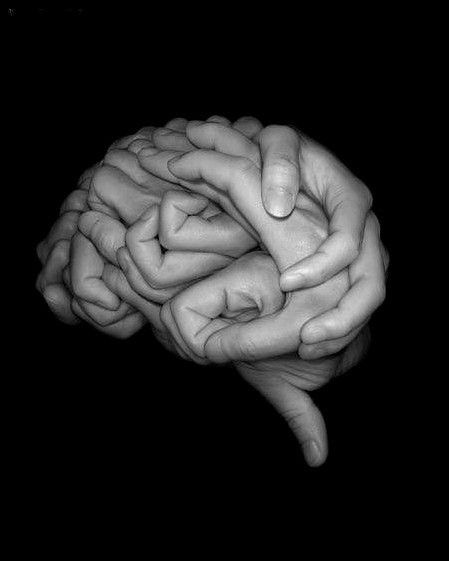
Mental health, like physical health, is a delicate interplay of organic and environmental factors. Ultimately, mental health and mental illness are linked to the brain. In other words, the way our brain chemistry interfaces with our life experiences determines the probability of experiencing some type of mental illness in our life.
When the brain operates optimally, it produces sufficient levels of key chemicals called neurotransmitters that help us perceive, process and respond appropriately to external stimuli, i.e. the things that occur in the outside world. When the brain does not produce sufficient levels of one or more of the neurotransmitters (either too much or too little) or these chemicals are not absorbed properly, we cannot process our experiences appropriately and, over time, we may become predisposed to mental illness.
Neurotransmitters that may impact mental health include: Acetylcholine, Dopamine, Norepinephrine, Epinephrine, Serotonin, GABA and Endorphins. (mifellowship.org; nimh.nih.org; all psych.com) Take a moment to familiarize yourself with the specific, individual function of each neurotransmitter and how it impacts mental health. You may find yourself in a position where a mental health professional is trying to explain these concepts to an LEP, as a means to illustrate the possible contributing biological factors for a specific mental illness. For a comprehensive overview of brain chemistry and its role in mental health, refer to the National Institute of Mental Health at nimh.nih.org and type in Brain Basics in the search bar.
According to the National Alliance on Mental Illness, “a mental illness is a condition that impacts a person’s thinking, feeling or mood and may affect his or her ability to relate to others and function on a daily basis.” (nami.org) In reality, mental illness is an umbrella term for a host of disorders resulting from a proverbial disconnect in the way our genetics and life experiences interact with each other.
Mental illness is categorized into major disorder groups, each with its own subset of specific disorders:
- Neurodevelopmental Disorders
- Schizophrenia Spectrum and Other Psychotic Disorders
- Bipolar and Related Disorders
- Depressive Disorders
- Anxiety Disorders
- Obsessive-Compulsive and Related Disorders
- Trauma- and Stressor-Related Disorders
- Dissociative Disorders
- Somatic Disorders
- Feeding and Eating Disorders
- Elimination Disorders
- Sleep-Wake Disorders
- Sexual Dysfunctions
- Gender Dysphoria
- Disruptive, Impulse-Control and Conduct Disorders
- Substance-Related and Addictive Disorders
- Neurocognitive Disorders
- Personality Disorders
- Other Mental Disorders
- Medication-Induced Movement Disorders and Other Adverse Effects of Medication
- Other Conditions That May Be a Focus of Clinical Attention
Language professionals can get a comprehensive overview of all mental disorders, symptomology, qualifiers and probable causal events or patterns in the Diagnostic and Statistical Manual of Mental Disorders (DSM). This book is published by the American Psychiatric Association and mental health professionals use this resource to make all clinical diagnoses. The most recent version – DSM 5 – is available full size or in pocket guide format and copies can be purchased new or used online. This is a wonderful resource to familiarize yourself with vocabulary you may encounter when working with mental health professionals and LEPs.
I hope this has been helpful. Please feel free to send me comments and questions.
All the best –
Diane
 Through My Mind's Eye