
Going to the doctor is a fairly common experience. For many, it is a practice that starts at a very early age. Whether it is an annual physical, an eye doctor appointment or a trip to the dentist, talking about physical health seems quite ordinary. How many times have you heard someone say “it’s time for my yearly mammogram” or “time for a colonoscopy, not looking forward to that.” It is a frequent occurrence to hear people talk about different health conditions like diabetes, heart disease, thyroid conditions or issues related to their liver or kidneys. The functioning of the human body has become a widely socialized topic.
With that in mind, how often have you heard someone say, “I’ll be in late tomorrow. I’m seeing my therapist for my weekly appointment” or “It’s time for my yearly med check with my psychiatrist” or “I have been really down lately, can’t get up, crying, no focus, low energy. Maybe I should see someone or get some meds.” My assumption is that it is not as common. If someone were to tell you that s/he had been diagnosed with a mental disorder – for example, Major Depression, Generalized Anxiety Disorder, Bipolar Disorder, Alcohol Dependence or Schizophrenia – how would you react? What would your first, true, internal reaction be? If you had been diagnosed with a mental disorder, would you share it or would you withhold it? If so, why or why not?
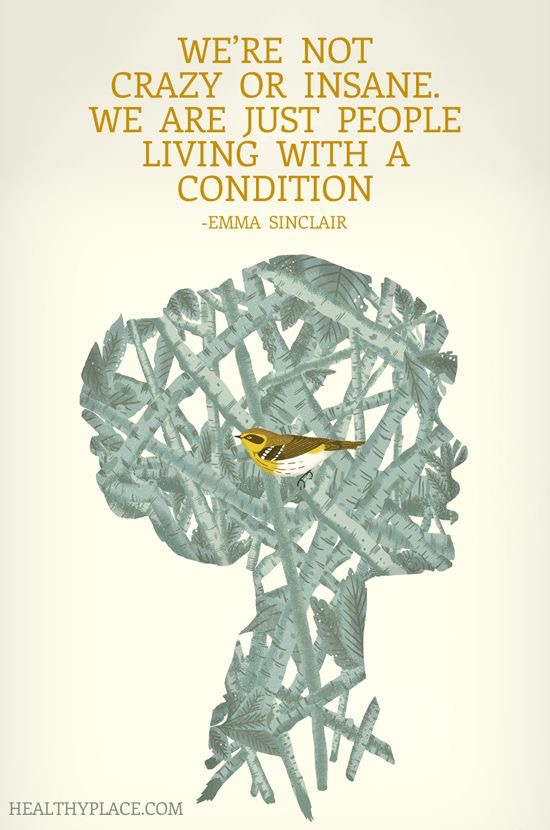
Even though mental illness is a brain disorder, just like physical disorders associated with other parts of the body, there is a very definite stigma associated with it. Will we judge? Will we be judged? Some degree of fear or trepidation gets triggered when we hear about mental disorders and a certain shut-down can occur, however brief, despite our best logical efforts and intentions. Take a moment to explore the root of that fear. Where does it come from?
This fear-based perception cuts across both culture and socio-economic status, even though in some groups it may be more prevalent than others. Nonetheless, it is a common theme and one which merits attention. I am including links below to some short and informative articles on social stigma/structural stigma and perceived stigma/self stigma.
Why would we, as interpreters, need to know about the stigma associated with mental illness? I believe the concept of stigma has a direct and indirect impact on us personally and professionally.
- What are our own cultural beliefs about mental disorders?
- What personal experiences have we had with mental disorders?
- What might our personal triggers be when we are in a professional setting where mental disorder is being evaluated?
- How do our clients present when seeking mental health services?
- How might their own cultural beliefs impact their ability to avail themselves of treatment options?
- To what extent does their language enable them to describe their symptoms?
- How will we convey these concepts back and forth between the clinician and the LEP?
Cultural and personal biases are significant factors to consider and not to underestimate. Any one of us can be triggered in some way, regardless of how long we have been fulfilling our role. Being mindful of this potential is all the more important in a speciality where stigma and even taboo may exist.
Please send comments and feedback along to me. I would love to hear your thoughts.
Diane
https://www.psychologytoday.com/blog/why-we-worry/201308/mental-health-stigma
http://www.psychologicalscience.org/index.php/publications/mental-illness-stigma.html
 Through My Mind's Eye