
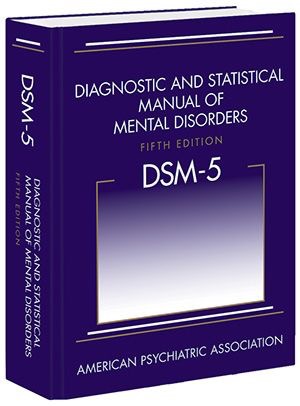
For a clinician to begin formulating a potential diagnosis, it is essential to get as thorough a list of symptoms as possible from the client. The clinician will translate the client’s experiences into categories of symptoms which, ultimately, track to the Diagnostic and Statistical Manual (DSM).
Here is an abbreviated list of commonly cited feelings and experiences and how a clinician might categorize them. This is not meant to be a comprehensive list but, rather, an illustration of how clients might talk about their experiences in layman’s terms. Interpreters: review the DSM and role play how an LEP might express symptoms in language.
- I have nothing to look forward to – hopelessness
- I can’t even get out of bed – lack of energy
- I cry a lot – sadness
- I just can’t eat or I can’t stop eating – change in appetite
- I used to be skinnier or look how big these clothes are on me – change in weight
- I sleep all the time or I can’t sleep at all – hypersomnia or hyposomnia
- What’s the point? No one would miss me; I can’t take it anymore – suicidal ideation
- I can’t read or do my work – concentration or focus
- Everything bothers me – irritability
- I don’t like to do anything; nothing interests me – anhedonia
- My mind never stops; all these things are running through my mind – racing thoughts
- I feel like I can’t breath; my heart feels like it’s coming out of my chest; I can feel my heart beating – hyperventilation; heart pounding; heart palpitations,
- What if something happens? I am always on the lookout – hypervigilance
- My throat closes up – fear of choking or suffocating
- I can’t talk about this or tell anyone – isolation
- I am tired all the time – fatigue
- I think/dream about it (tragic event) all the time – persistent/intrusive thoughts
- It felt like I was right back there – flashbacks
- When I sleep it all comes back – nightmares
- I’d rather just stay home – avoidance
- I need to drink more and more to get the same feeling – tolerance
- I just have to have a drink – craving
- If I don’t drink I feel sick – withdrawal
- I felt like I was outside of myself watching what was going on – disassociation
- I’m better than everyone at xyz; I have more xyz than anyone – inflated self esteem/grandiosity
- I love driving really fast; I love to hook up with people I don’t know; I like to experiment with drugs and alcohol – risk taking behaviors
- I measure my food; I don’t eat all day – restricting
- I cut or I burn myself; I just wanted to feel something – self-harming behaviors
- I don’t have a problem; I got this – denial and/or minimization
- I want to run away. I can’t take it – fight/flight response
Understanding that people do not speak in clinical terms, the responsibility lies between the interpreter (who conveys) and the clinician (who translates) to get the information into the right buckets. For proper treatment to occur, this bucketing process is critical. Please note that this also presupposes that there is no underlying medical condition that is causing or contributing to symptomology. Likewise, most diagnoses are not made based on one symptom alone but, rather, a constellation and/or pattern of symptoms experienced over time.
Kind regards,
Diane
 Through My Mind's Eye