
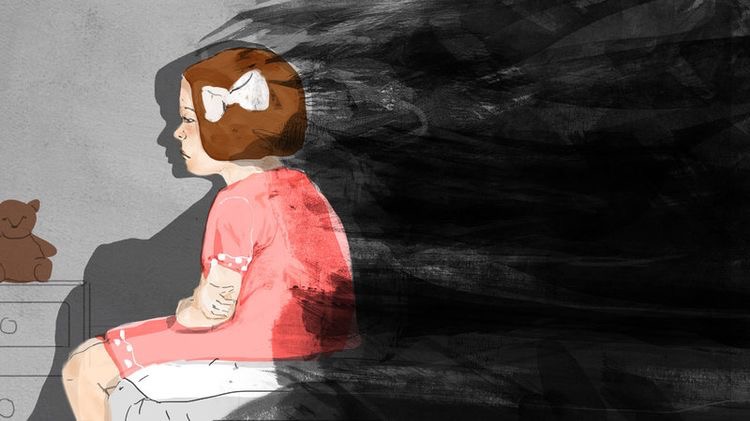
(picture courtesy of Maria Fabrizio, NPR)
“All adults once were children, and who we are as adults is in many ways affected by our childhood experiences, environments, and relationships,” Robert W. Block, MD, FAAP
Working in the field of mental health, you will oftentimes hear clients and/or clinicians inquire about and make references to experiences from childhood that have impacted a client’s emotional wellbeing, both in the past and in the present. Regardless of the client’s age, unprocessed adverse experiences from childhood can and do impact a number of life domains, including a client’s physical, emotional and behavioral presentation at different stages of life. One might think that what happened in the past is in the past but how someone views and interacts with the outside world is shaped very early on. Likewise, how someone views him/herself relative to the world is also rooted in early experiences.
First and foremost, let’s revisit the definition of trauma from the previous post: “The word ‘trauma’ is used to describe the experiences or situations that are emotionally painful and distressing, and that overwhelm people’s ability to cope, leaving them powerless.”
(http://www.nonviolenceandsocialjustice.org/FAQs/What-is-Trauma/41/)
To further understand trauma, please note that there are distinct types of trauma:
• Acute trauma – single episode (ex. natural disaster)
• Chronic trauma – repetitive in nature, over period of time (ex. exposure to domestic violence)
• Complex trauma – numerous traumas from distinct sources, most often including the relationship with the primary caregiver (ex. child abuse and neglect by primary caregiver, exposure to community violence, invasive medical treatment); complex trauma can impact normal development and associated milestones
Trauma can occur at any stage of life and the impact can be significant, keeping in mind that, per the definition, the experience has overwhelmed the person’s ability to cope, leaving them powerless. With regards to childhood trauma though, the impact can be as severe or greater, given a child’s limited cognitive and emotional coping skills, not-yet-developed ability to communicate, along with his/her total dependence on caregivers. Therefore, without timely intervention, the risk of long term damage to emotional and physical well-being is high.
Note to Interpreters: when you hear the term early childhood trauma it specifically refers to trauma experienced from 0-6 years of age, including in-utero trauma.
Examples of trauma include:
• Natural disasters
• Sexual Abuse
• Physical Abuse
• Domestic Violence
• Medical Injury, illness, or procedures
• Community violence
• Neglect, deprivation
• Traumatic grief
• Victim of crime
• Kidnapping
• Accidents
• School violence
• Loss
http://dmh.mo.gov/healthykids/providers/trauma.html
In Part II, we will explore specific symptoms, patterns of behavior and impact to brain development associated with childhood trauma. Risk factors for future emotional and physical symptomology stemming from this type of trauma, will also be covered.
For information on childhood trauma please see:
 Through My Mind's Eye